


When it comes to pelvic floor exercises, most people focus on contracting the muscles—but did you know that relaxing your pelvic floor is just as critical? Without fully releasing these muscles after a contraction, you might experience muscle tension, discomfort, or even limit the effectiveness of your exercises. Understanding and practicing both phases of a pelvic floor contraction can make all the difference in improving strength and achieving better pelvic health.
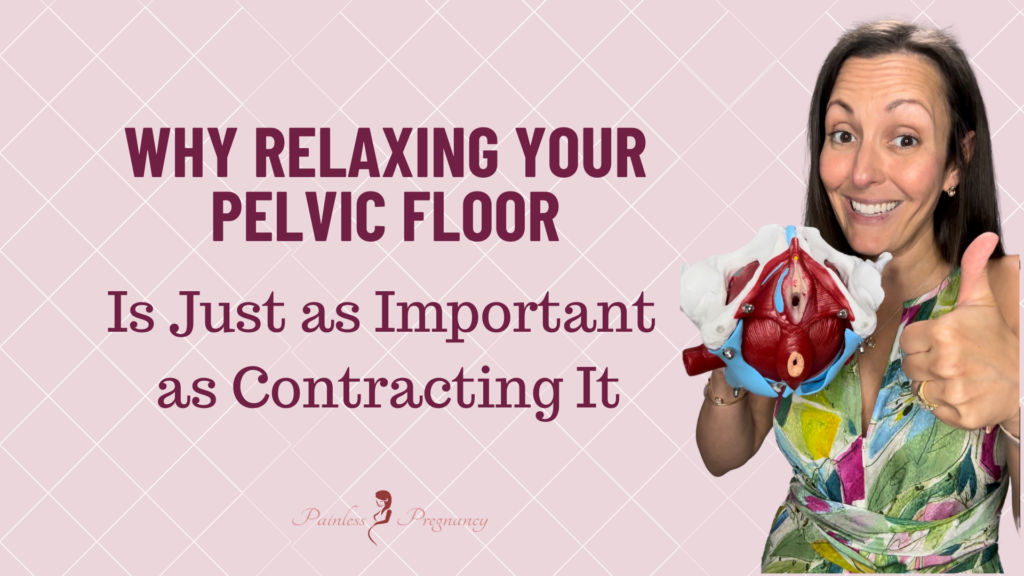
Don’t Skip the Relaxation Phase
Many people are diligent about performing Kegels, focusing on tightening their pelvic floor muscles to build strength. While that’s an essential part of the exercise, it’s only half the story. Your pelvic floor muscles, like any other muscle group, need to relax fully after a contraction to function properly. Without this release, the muscles can become tense or overworked, leading to discomfort or even hindering progress in addressing pelvic health concerns.
The Visual Guide to Relaxing Your Pelvic Floor
A simple way to ensure you’re performing both phases of a pelvic floor contraction is by using a mirror:
- Observe the Contraction: Sit back in a comfortable, reclined position and place a mirror between your legs. As you contract your pelvic floor (like performing a Kegel), look for the perineal space—the area between your vaginal and anal openings—to lift upwards toward your heart.
- Observe the Relaxation: After holding the contraction for a moment, release it and watch for the perineal space to descend or lower back down toward your feet or the floor.
If you’re standing, the same concept applies. Look for the upward movement of the perineal space during the contraction and the downward movement during relaxation. Both phases should be equally noticeable to ensure the muscles are engaging and releasing correctly.
The Benefits of Balancing Contraction and Relaxation
Practicing the full range of motion—both contracting and relaxing your pelvic floor—provides several important benefits:
- Improved Muscle Function: Balanced exercises prevent over-tightening, allowing the pelvic floor to support the body effectively.
- Reduced Discomfort: Avoiding tension helps alleviate discomfort often associated with overworked muscles.
- Better Results: Properly training the pelvic floor ensures exercises are effective in strengthening the muscles and addressing pelvic health concerns.
Tips for Success
- Take Your Time: Focus on slow, deliberate movements to fully engage and release your pelvic floor.
- Breathe Deeply: Use your breath to guide the relaxation phase, exhaling as you release the contraction.
- Be Consistent: Incorporate both phases into your pelvic floor exercises regularly for the best results.
Relaxing Your Pelvic Floor: The Missing Piece
When it comes to pelvic floor health, relaxation is the often-overlooked half of the equation. By paying attention to both the contraction and relaxation phases, you’ll not only avoid discomfort but also unlock the full potential of your pelvic floor exercises.
Start by practicing with a mirror to observe both phases and ensure you’re working your muscles properly. With time and consistency, you’ll notice improvements in strength, comfort, and overall pelvic health. Your pelvic floor deserves the same care and precision as any other muscle—so give it the attention it needs! Reach out to us for personalized guidance and support on your pelvic health journey!


